boogie-woogie
boogie-woogie: what it is, how it sounds and 10 musicians associated with it.
Boogie-woogie, also known as boogie, is a genre of blues music that became popular during the late 1920s, but had already developed in African-American communities since the 1870s. It was eventually extended from piano to piano duo and trio, guitar, big band, country and western, and gospel. While standard blues traditionally expresses a variety of emotions, boogie-woogie is mainly dance music (although not usually played for the competitive dance known as boogie-woogie, a term of convenience in that sport). The genre had a significant influence on rhythm and blues and rock and roll. In Texas, a piano style arose known as "fast western," often credited as the origin of boogie-woogie. The basic boogie-woogie rhythm, which was an outgrowth of ragtime and rural blues, intentionally evoked the rhythmic clacking of steam locomotives throughout the Deep South.
Read the full article on Wikipedia ↗ · From Wikipedia, the free encyclopedia (CC BY-SA 4.0)
boogie-woogie musicians
 Fats Domino
1928–2017 · American pianist and singer (1928-2017)
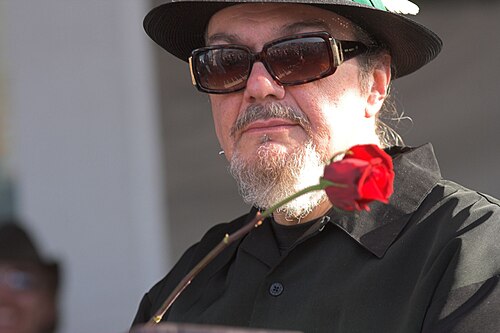 Dr. John
1941–2019 · American singer-songwriter (1941-2019)
 Jay McShann
1909–2006 · American blues, jazz, and swing bandleader, pianist and…
 Champion Jack Dupree
1909–1992 · American blues pianist (1910–1992)
 Albert Ammons
1907–1949 · American jazz pianist, recording artist (1907–1949)
 Meade Lux Lewis
1905–1964 · American boogie-woogie pianist and composer (1905–1964)
 Dorothy Donegan
1924–1998 · American jazz pianist (1922–1998)
 Pete Johnson
1904–1967 · American boogie-woogie and jazz pianist (1904–1967)
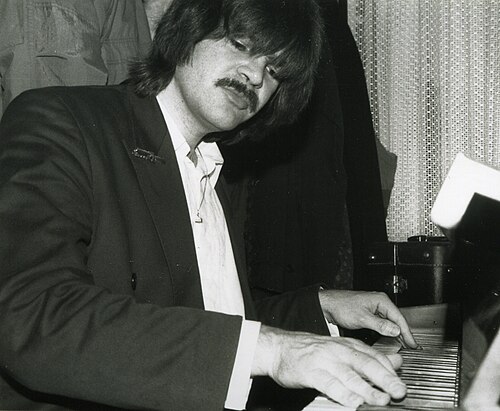 Axel Zwingenberger
b. 1955 · German musician
 Hadda Brooks
1916–2002 · American musician (1916–2002)
Latest posts
- Evaluating Jazz Syncopation Sources and Rhythmic Analysis
- Instruments of Bossa Nova Essential Tools for the Sound
- Why Is Improv Important in Jazz and How It Defines the Genre
- How to Memorize Jazz Standards Efficiently
- What Is the Most Well-Known Jazz Standard and Why It Wins
- What Does the ø Symbol Mean in Jazz Theory
- Examples of Bebop Jazz and Essential Listening Tracks
- What Is a Basic Drumming Pattern Called and How It Works
- How to Ear Train Effectively for Better Musicianship
- How to Notate a Tritone Substitution in Jazz Charts