boogie-woogie
boogie-woogie: che cos'è, come suona e 10 musicisti legati a questo stile.
Il boogie-woogie, o bughivughi, è uno stile musicale derivato dal blues per pianoforte, diventato molto popolare a partire dagli anni trenta e anni quaranta, ma che vede le proprie origini in tempi molto precedenti e che fu successivamente esteso dal piano a formazioni di tre pianoforti, alla chitarra, alle big band, alle formazioni di musica country e western e, a volte, a formazioni gospel. Come il blues, il boogie-woogie descrive tradizionalmente una vasta gamma di emozioni ed è principalmente legato ad un genere di ballo. Le parole dei primi brani di successo, come Pinetop's Boogie Woogie, erano spesso le istruzioni per eseguire il ballo: Now, when I tell you to hold yourself, don't you move a peg. And when I tell you to get it, I want you to Boogie Woogie! Il boogie-woogie è caratterizzato da una figura di basso regolare, nella mano sinistra.
Leggi la voce completa su Wikipedia ↗ · Da Wikipedia, l'enciclopedia libera (CC BY-SA 4.0)
Musicisti: boogie-woogie
 Fats Domino
1928–2017 · cantautore e pianista statunitense
 Dr. John
1941–2019 · cantautore, pianista e chitarrista statunitense
 Jay McShann
1909–2006 · musicista e cantante statunitense
 Champion Jack Dupree
1909–1992 · artista di strada, musicista jazz, cantante, pianista
 Albert Ammons
1907–1949 · pianista statunitense
 Meade Lux Lewis
1905–1964 · pianista e compositore statunitense
 Dorothy Donegan
1924–1998 · American jazz pianist (1922–1998)
 Pete Johnson
1904–1967 · pianista statunitense
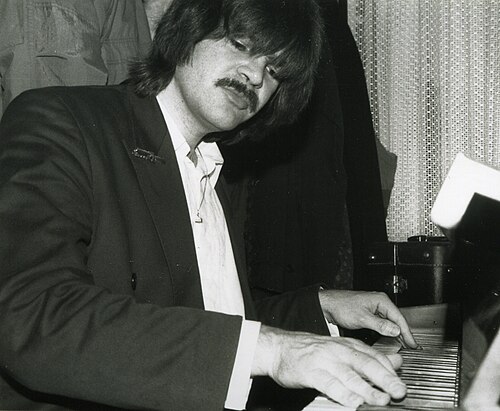 Axel Zwingenberger
n. 1955 · German musician
 Hadda Brooks
1916–2002 · pianista, musicista jazz, cantante statunitense (1916-2002)
Latest posts
- Evaluating Jazz Syncopation Sources and Rhythmic Analysis
- Instruments of Bossa Nova Essential Tools for the Sound
- Why Is Improv Important in Jazz and How It Defines the Genre
- How to Memorize Jazz Standards Efficiently
- What Is the Most Well-Known Jazz Standard and Why It Wins
- What Does the ø Symbol Mean in Jazz Theory
- Examples of Bebop Jazz and Essential Listening Tracks
- What Is a Basic Drumming Pattern Called and How It Works
- How to Ear Train Effectively for Better Musicianship
- How to Notate a Tritone Substitution in Jazz Charts