experimental music
experimental music: what it is, how it sounds and 11 musicians associated with it.
Experimental music is a general label for any music or music genre that pushes existing boundaries and genre definitions. Experimental compositional practice is defined broadly by exploratory sensibilities radically opposed to, and questioning of, institutionalized compositional, performing, and aesthetic conventions in music. Elements of experimental music include indeterminacy, in which the composer introduces the elements of chance or unpredictability with regard to either the composition or its performance. Artists may approach a hybrid of disparate styles or incorporate unorthodox and unique elements. The practice became prominent in the mid-20th century, particularly in Europe and North America. John Cage was one of the earliest composers to use the term and one of experimental music's primary innovators, utilizing indeterminacy techniques and seeking unknown outcomes.
Read the full article on Wikipedia ↗ · From Wikipedia, the free encyclopedia (CC BY-SA 4.0)
experimental music musicians
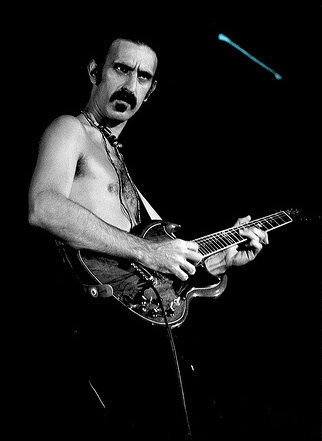 Frank Zappa
1940–1993 · American musician (1940–1993)
 Tom Waits
b. 1949 · American singer-songwriter and actor (born 1949)
 Sun Ra
1914–1993 · American jazz composer and bandleader (1914–1993)
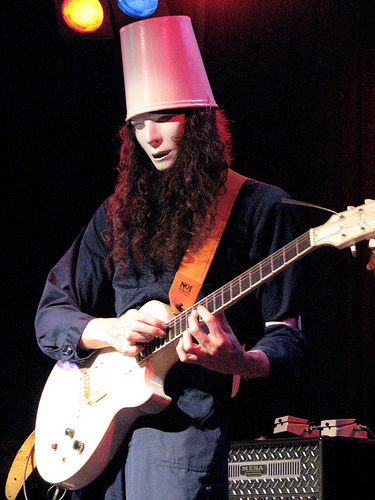 Buckethead
b. 1969 · American guitarist
 Marc Ribot
b. 1954 · American musician
 Ikue Mori
b. 1953 · drummer, electronic musician and composer
 Capsule
1997– · Japanese electronica band
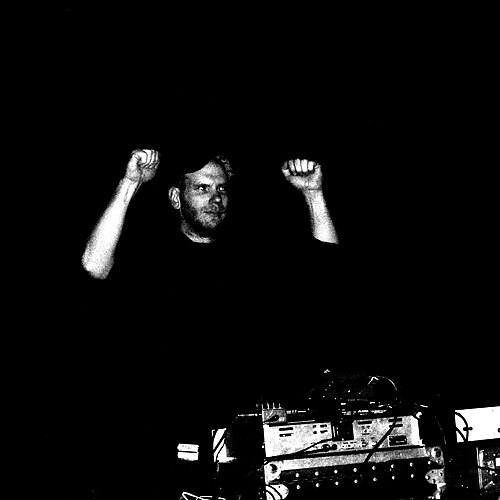 Kevin Drumm
b. 1970 · American musician
 Napoleon Murphy Brock
b. 1943 · American singer, saxophonist and flautist
Gil Mellé
1931–2004 · American artist, jazz musician and film composer (1931-2004)
 Sergey Letov
b. 1956 · Russian musician
Latest posts
- How to Create Jazz Music A Practical Approach to Crafting
- How to Choose Jazz Scales with Practical Examples
- What Is a Jazz Lead Sheet and How Do Musicians Use It
- Evaluating Jazz Syncopation Sources and Rhythmic Analysis
- Instruments of Bossa Nova Essential Tools for the Sound
- Why Is Improv Important in Jazz and How It Defines the Genre
- How to Memorize Jazz Standards Efficiently
- What Is the Most Well-Known Jazz Standard and Why It Wins
- What Does the ø Symbol Mean in Jazz Theory
- Examples of Bebop Jazz and Essential Listening Tracks