opera
opera: what it is, how it sounds and 18 musicians associated with it.
Opera is a form of Western theatre in which music is a fundamental component and dramatic roles are taken by singers. Such a "work" (the literal translation of the Italian word "opera") is typically a collaboration between a composer and a librettist and incorporates a number of the performing arts, such as acting, scenery, costume, and sometimes dance or ballet. The performance is typically given in an opera house, accompanied by an orchestra or smaller musical ensemble, which since the early 19th century has been led by a conductor. Although musical theatre is closely related to opera, the two are considered to be distinct from one another. Opera is a key part of Western classical music, and Italian tradition in particular. Originally understood as an entirely sung piece, in contrast to a play with songs, opera has come to include numerous genres, including some that include spoken dialogue such as Singspiel and Opéra comique.
Read the full article on Wikipedia ↗ · From Wikipedia, the free encyclopedia (CC BY-SA 4.0)
opera musicians
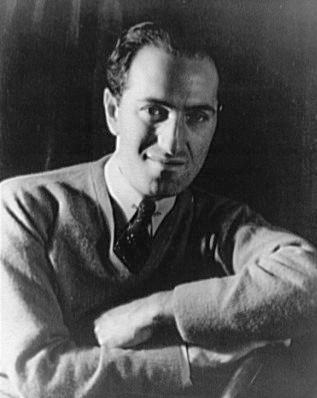 George Gershwin
1898–1937 · American composer and pianist (1898–1937)
 Aaron Copland
1900–1990 · American composer, composition teacher, writer, and…
 André Previn
1930–2019 · German-American conductor, pianist, and composer (1929–2019)
 Darius Milhaud
1892–1974 · French composer (1892–1974)
 Hans Werner Henze
1926–2012 · German composer (1926–2012)
 Yma Sumac
1922–2008 · Peruvian-American singer (1922–2008)
 Barbara Hendricks
b. 1948 · American operatic soprano and concert singer
 Anthony Braxton
b. 1945 · American musician, composer and philosopher (born 1945)
 Gunther Schuller
1925–2015 · American composer and conductor (1925–2015)
 Terence Blanchard
b. 1962 · American musician and composer
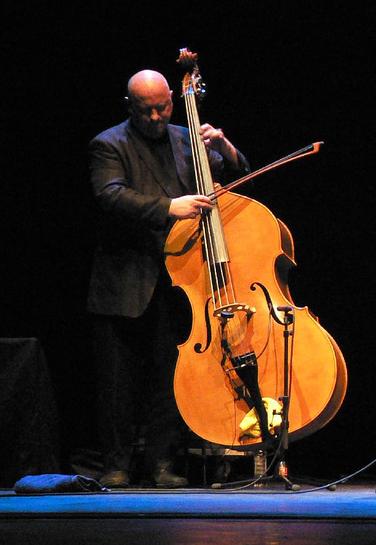 Gavin Bryars
b. 1943 · English composer and double bassist
 George Adams
1940–1992 · American jazz musician (1940-1992)
 Sibongile Khumalo
1957–2021 · South African opera singer (1957–2021)
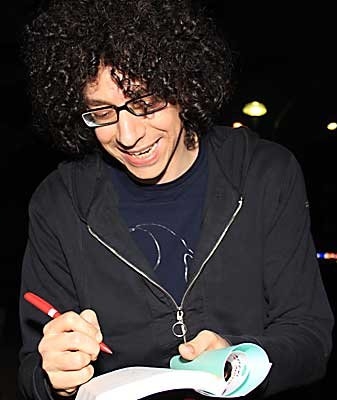 Giovanni Allevi
b. 1969 · Italian pianist and composer (born 1969)
 Emil Viklický
b. 1948 · Czech composer, jazz musician and pianist
 Wolfgang Mitterer
b. 1958 · Austrian Jazz-organist and composer
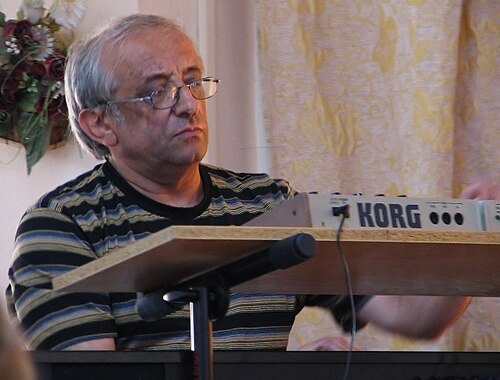 Vyacheslav Ganelin
b. 1944 · Soviet-Lithuanian and Israeli improviser, pianist, composer
 Pippo Barzizza
1902–1994 · Italian composer, arranger, conductor, and music director…
Latest posts
- Evaluating Jazz Syncopation Sources and Rhythmic Analysis
- Instruments of Bossa Nova Essential Tools for the Sound
- Why Is Improv Important in Jazz and How It Defines the Genre
- How to Memorize Jazz Standards Efficiently
- What Is the Most Well-Known Jazz Standard and Why It Wins
- What Does the ø Symbol Mean in Jazz Theory
- Examples of Bebop Jazz and Essential Listening Tracks
- What Is a Basic Drumming Pattern Called and How It Works
- How to Ear Train Effectively for Better Musicianship
- How to Notate a Tritone Substitution in Jazz Charts