- Tonalità
- Si♭ maggiore
- Tempo
- 162 BPM MEDIUM UP
- Feel ritmico
- Swing
- Stile
- Postbop
- Chorus
- 2
- Forma
- A8A8B8A8
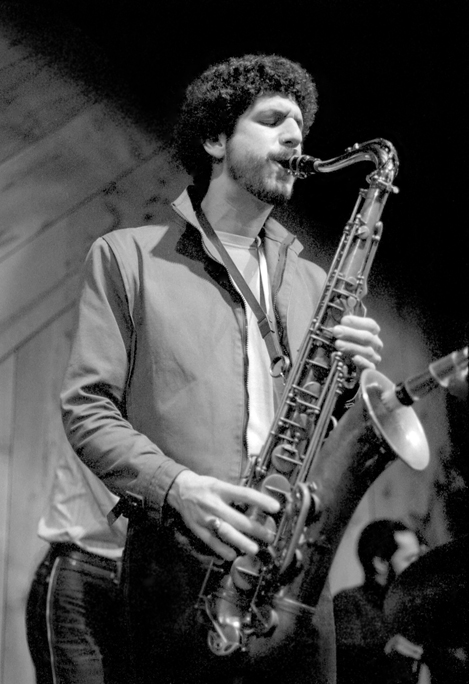
L'assolo di Bob Berg su «No Moe» conta 633 note in 138 secondi (4.6 note al secondo) e un'estensione di 32 semitoni, da A2 a F5. Il tempo medio è di 162 BPM (swing). Circa il 58% del movimento melodico è per grado congiunto (uno o due semitoni).
Note
633Note
138sDurata dell'assolo
4.6Note al secondo
A2–F5Estensione (32 semitoni)
58%Moto congiunto
Distribuzione delle classi di altezza
C
C♯
D
E♭
E
F
F♯
G
A♭
A
B♭
B
Intervalli più frequenti
- -1 ×120
- +1 ×83
- -2 ×81
- +2 ×78
- -3 ×53
- +3 ×46
Giro armonico
A1
A2
B1
A3
Disco
- Disco
- Enter The Spirit · GRP Records / Stretch Records · 1993
- Registrato
- 1993
- Formazione
- Bob Berg (ts, ss); Chick Corea, James Genus (b); Dennis Chambers (dr)
- Compositore
- Sonny Rollins
- Durata dell'assolo
- 00:48-03:07
Fonte: Weimar Jazz Database, Jazzomat Research Project (HfM Weimar), ODbL 1.0.