- Tonart
- B-Dur
- Tempo
- 162 BPM MEDIUM UP
- Rhythmusgefühl
- Swing
- Stil
- Postbop
- Chorusse
- 2
- Form
- A8A8B8A8
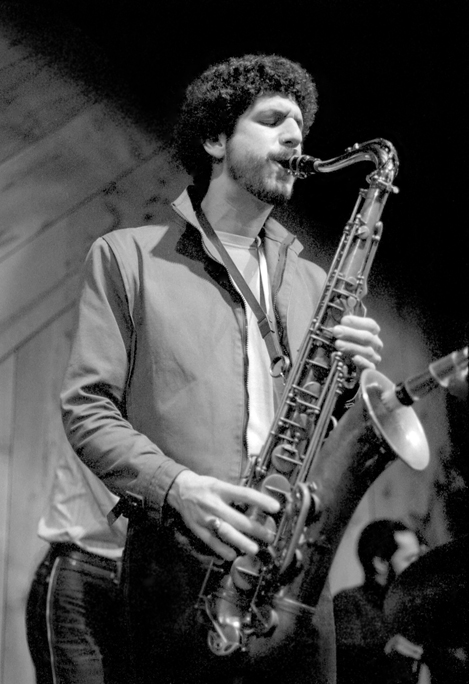
Bob Bergs Solo über „No Moe“ umfasst 633 Töne in 138 Sekunden (4.6 Töne pro Sekunde) und einen Tonumfang von 32 Halbtönen (A2 bis F5). Das Durchschnittstempo liegt bei 162 BPM (swing). Rund 58 % der Melodiebewegung verläuft schrittweise (ein bis zwei Halbtöne).
Töne
633Töne
138sSololänge
4.6Töne pro Sekunde
A2–F5Tonumfang (32 Halbtöne)
58%Schrittweise Bewegung
Verteilung der Tonklassen
C
C♯
D
E♭
E
F
F♯
G
A♭
A
B♭
B
Häufigste Intervalle
- -1 ×120
- +1 ×83
- -2 ×81
- +2 ×78
- -3 ×53
- +3 ×46
Gespielte Changes
A1
A2
B1
A3
Platte
- Platte
- Enter The Spirit · GRP Records / Stretch Records · 1993
- Aufgenommen
- 1993
- Besetzung
- Bob Berg (ts, ss); Chick Corea, James Genus (b); Dennis Chambers (dr)
- Komponist
- Sonny Rollins
- Sololänge
- 00:48-03:07
Quelle: Weimar Jazz Database, Jazzomat Research Project (HfM Weimar), ODbL 1.0.