- Key
- B♭ major
- Tempo
- 162 BPM MEDIUM UP
- Rhythm feel
- Swing
- Style
- Postbop
- Choruses
- 2
- Form
- A8A8B8A8
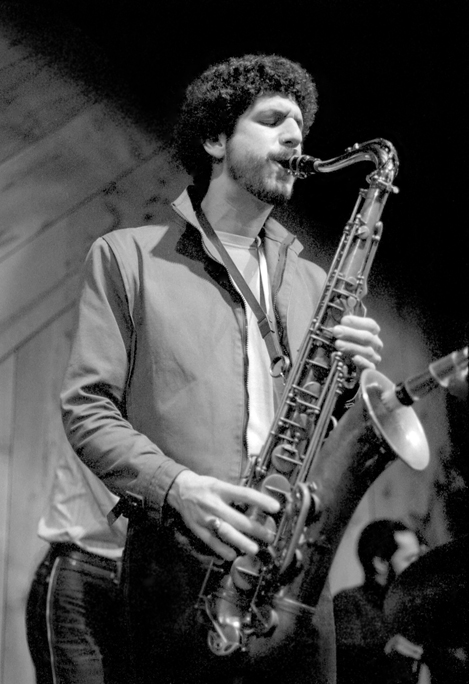
Bob Berg's solo on “No Moe” has 633 notes in 138 seconds (4.6 notes per second), spanning 32 semitones from A2 to F5. The average tempo is 162 BPM with a swing feel. About 58% of the melodic motion is stepwise (one or two semitones).
Notes
633Notes
138sSolo length
4.6Notes per second
A2–F5Range (32 semitones)
58%Stepwise motion
Pitch-class distribution
C
C♯
D
E♭
E
F
F♯
G
A♭
A
B♭
B
Most frequent intervals
- -1 ×120
- +1 ×83
- -2 ×81
- +2 ×78
- -3 ×53
- +3 ×46
Changes played over
A1
A2
B1
A3
Record
- Record
- Enter The Spirit · GRP Records / Stretch Records · 1993
- Recorded
- 1993
- Line-up
- Bob Berg (ts, ss); Chick Corea, James Genus (b); Dennis Chambers (dr)
- Composer
- Sonny Rollins
- Solo length
- 00:48-03:07
Source: Weimar Jazz Database, Jazzomat Research Project (HfM Weimar), ODbL 1.0.