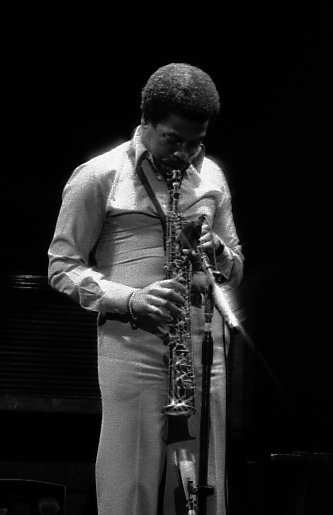
assolo di Tenor saxophone · 1964
Wayne Shorter: Infant Eyes
- Tonalità
- Mi♭ maggiore
- Tempo
- 51 BPM SLOW
- Feel ritmico
- Ballad
- Stile
- Postbop
- Chorus
- 1
- Forma
- A9B9A9
L'assolo di Wayne Shorter su «Infant Eyes» conta 157 note in 127 secondi (1.2 note al secondo) e un'estensione di 33 semitoni, da Ab2 a F5. Il tempo medio è di 51 BPM (ballad). Circa il 62% del movimento melodico è per grado congiunto (uno o due semitoni).
Note
157Note
127sDurata dell'assolo
1.2Note al secondo
Ab2–F5Estensione (33 semitoni)
62%Moto congiunto
Distribuzione delle classi di altezza
C
C♯
D
E♭
E
F
F♯
G
A♭
A
B♭
B
Intervalli più frequenti
- +2 ×26
- -1 ×26
- +1 ×25
- -2 ×18
- -3 ×17
- 0 ×9
Giro armonico
A1
B1
A2
I1
Disco
- Disco
- The Blue Note Years - The Best of Wayne Shorter · Blue Note · 1988
- Registrato
- 1964-12-24
- Formazione
- Freddie Hubbard (tp); Herbie Hancock (p); Ron Carter (b); Elvin Jones (dr); Wayne Shorter (ts)
- Compositore
- Shorter
- Durata dell'assolo
- 02:35-04:44
Fonte: Weimar Jazz Database, Jazzomat Research Project (HfM Weimar), ODbL 1.0.