- Born
- 10 August 1936
New York City - Country
- United States
- Discography
- 6 albums
Biography
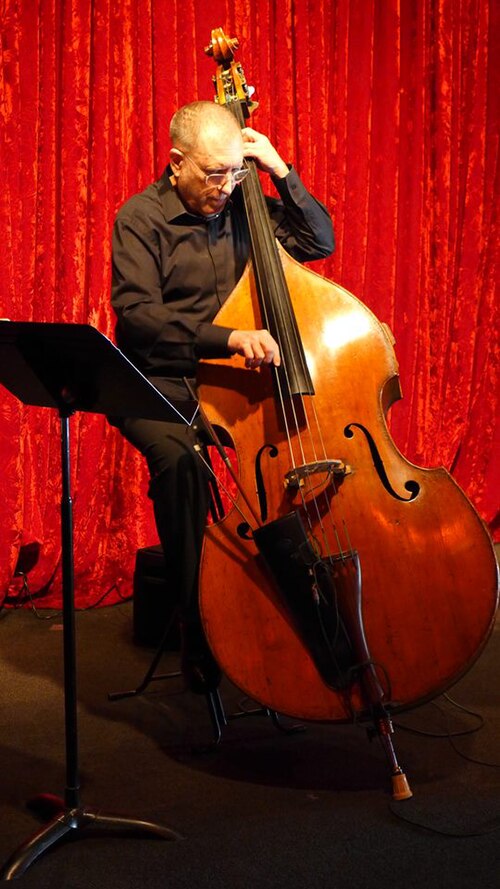
Chuck Israels is a jazz musician who plays double bass. Chuck Israels was born on 10 August 1936 in New York City. The music is usually filed under jazz. The discography here lists 6 albums, from “National Jazz Ensemble Vol. 1” (1976) to “Concerto Peligroso” (2017). Honours include Guggenheim Fellowship (1978).
Charles H. Israels (born August 10, 1936) is an American jazz composer, arranger, and bassist who is best known for his work with the Bill Evans Trio. He has also worked with Billie Holiday, Benny Goodman, Coleman Hawkins, Stan Getz, Herbie Hancock, J. J. Johnson, John Coltrane, and Judy Collins. He has won one Grammy Award in 2020 for his work on mezzo-soprano Joyce DiDonato's album Songplay.
Read the full article on Wikipedia ↗ · From Wikipedia, the free encyclopedia (CC BY-SA 4.0)
Discography
Studio and live albums
Also plays on
Albums where Chuck Israels is credited as a sideman
Awards
Frequently asked questions
What instrument does Chuck Israels play?
Chuck Israels is known for playing double bass.
When and where was Chuck Israels born?
Chuck Israels was born 10 August 1936 in New York City.
What are Chuck Israels's best-known albums?
Albums in our database include National Jazz Ensemble Vol. 1 (1976), Bebop Jazz (1996), Chaconne a Son Gout (2013), Second Wind (A Tribute to the Music of Bill Evans) (2013) and Joyful Noise: The Music of Horace Silver (2015).
External links
- en.wikipedia.org ↗
- de.wikipedia.org ↗
- wikidata.org ↗
- musicbrainz.org ↗
- discogs.com ↗
- allmusic.com ↗
- chuckisraelsjazz.com ↗
Data compiled from open sources; see the source links below. Spotted an error? Let us know.