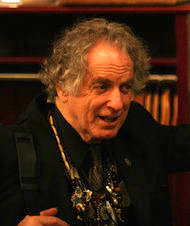
- Born
- 17 November 1930
Philadelphia - Country
- United States
- Active
- 1950–1990
- Record labels
- RCA Records
- Discography
- 13 albums
Biography
David Amram is a jazz musician who plays saxophone and horn. David Amram was born on 17 November 1930 in Philadelphia. The music is usually filed under jazz. Record labels: RCA Records. The discography here lists 13 albums, from “The Arrangement” (1969) to “Voyages for Solo Violin / Piano Sonata / Violin Sonata” (2025).
David Werner Amram III (born November 17, 1930) is an American composer, arranger, and conductor of orchestral, chamber, and choral works, many with jazz flavorings. He plays piano, French horn, Spanish guitar, and pennywhistle, and sings.
Read the full article on Wikipedia ↗ · From Wikipedia, the free encyclopedia (CC BY-SA 4.0)
Discography
Studio and live albums
Also plays on
Albums where David Amram is credited as a sideman
Listen on Spotify
Frequently asked questions
What instrument does David Amram play?
David Amram is known for playing saxophone and horn.
When and where was David Amram born?
David Amram was born 17 November 1930 in Philadelphia.
What are David Amram's best-known albums?
Albums in our database include The Arrangement (1969), Summer Nights, Winter Rain (1976), On the Waterfront on Broadway (original Broadway Soundtrack) (1995), At Home / Around the World (1996) and No More Walls (1997).
External links
- en.wikipedia.org ↗
- de.wikipedia.org ↗
- it.wikipedia.org ↗
- wikidata.org ↗
- musicbrainz.org ↗
- discogs.com ↗
- allmusic.com ↗
Data compiled from open sources; see the source links below. Spotted an error? Let us know.