- Born
- 29 January 1939
New York City - Died
- 25 October 2000
Tijuana - Country
- United States
- Record labels
- Black Saint, Owl Records, Seeds Record, Black Truffle
- Discography
- 9 albums
Biography
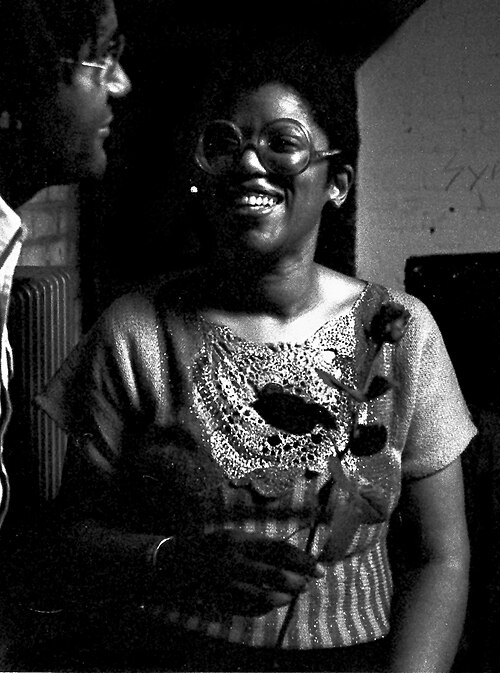
Jeanne Lee was a jazz musician who played voice. Jeanne Lee was born on 29 January 1939 in New York City and died on 25 October 2000 in Tijuana. The music is usually filed under jazz and free jazz. Record labels: Black Saint, Owl Records, Seeds Record and Black Truffle. The discography here lists 9 albums, from “The Newest Sound Around” (1962) to “The Newest Sound You Never Heard” (2019).
Jeanne Lee (January 29, 1939 – October 25, 2000) was an American jazz singer, poet and composer. Best known for a wide range of vocal styles she mastered, Lee collaborated with numerous distinguished composers and performers who included Gunter Hampel, Andrew Cyrille, Ran Blake, Carla Bley, Anthony Braxton, Marion Brown, Archie Shepp, Mal Waldron, Mark Whitecage and many others.
Read the full article on Wikipedia ↗ · From Wikipedia, the free encyclopedia (CC BY-SA 4.0)
Discography
Studio and live albums
Also plays on
Albums where Jeanne Lee is credited as a sideman
| 1969 | Blasé — Archie Shepp |
| 1969 | The 8th of July 1969 — Gunter Hampel |
| 1970 | Hommage to Africa — Sunny Murray |
| 1970 | Afternoon of a Georgia Faun — Marion Brown |
| 1972 | Town Hall 1972 — Anthony Braxton |
| 1973 | Prepare Thyself to Deal With a Miracle — Rahsaan Roland Kirk |
| 1974 | Celebrations — Gunter Hampel And His Galaxie Dream Band |
| 1975 | Cosmic Dancer — Gunter Hampel |
| 1976 | Quotation Marks — Enrico Rava |
| 1979 | Nuba — Andrew Cyrille / Jeanne Lee / Jimmy Lyons |
| 1983 | Vocal Summit — Lauren Newton, Urszula Dudziak, Jeanne Lee, Jay Clayton & Bobby McFerrin |
| 1983 | When Elephants Dream of Music — Bob Moses |
| 1984 | African Moods — Archie Shepp & Jeanne Lee |
| 1994 | The Water is Wide — Jane Bunnett |
| 1995 | Free Standards — Ran Blake & Jeanne Lee |
| 1997 | Travellin' in Soul-Time: Live From Tokyo, Nagasaki and Kobuchizawa — Mal Waldron, Jeanne Lee & Toru Tenda |
| 2001 | Blasé / Live at the Pan-African Festival — Archie Shepp |
Frequently asked questions
What instrument did Jeanne Lee play?
Jeanne Lee is known for playing voice.
When and where was Jeanne Lee born?
Jeanne Lee was born 29 January 1939 in New York City.
What are Jeanne Lee's best-known albums?
Albums in our database include The Newest Sound Around (1962), Spirits (1971), Conspiracy (1975), Natural Affinities (1992) and You Stepped Out of a Cloud (1992).
External links
- en.wikipedia.org ↗
- de.wikipedia.org ↗
- it.wikipedia.org ↗
- wikidata.org ↗
- musicbrainz.org ↗
- discogs.com ↗
- allmusic.com ↗
Data compiled from open sources; see the source links below. Spotted an error? Let us know.