Saxophonists · b. 1942
Oliver Lake
American musician (born 1942)
- Born
- 14 September 1942
Marianna - Country
- United States
- Active
- 1971–
- Record labels
- Freedom Records
- Discography
- 15 albums
Biography
Oliver Lake is a jazz musician who plays saxophone, tenor saxophone, alto saxophone and soprano saxophone. Oliver Lake was born on 14 September 1942 in Marianna. The music is usually filed under jazz. Record labels: Freedom Records. The discography here lists 15 albums, from “Heavy Spirits” (1975) to “Dance of The Evil Toys” (2022). Honours include Guggenheim Fellowship and Doris Duke Performing Artist Award.
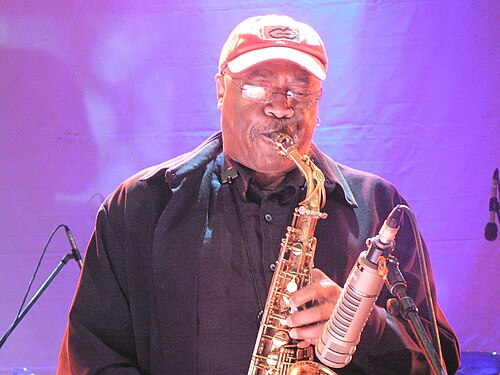
Oliver Lake (born September 14, 1942) is an American jazz saxophonist, flutist, composer, poet, and visual artist. He is known mainly for alto saxophone, but he also performs on soprano and flute. During the 1960s, Lake worked with the Black Artists Group in St. Louis. In 1977, he founded the World Saxophone Quartet with David Murray, Julius Hemphill, and Hamiet Bluiett. Lake worked in the group Trio 3 with Reggie Workman and Andrew Cyrille. Lake has appeared on more than 80 albums as a bandleader, co-leader, and side musician. He is the father of drummer Gene Lake. Lake has been a resident of Montclair, New Jersey.
Read the full article on Wikipedia ↗ · From Wikipedia, the free encyclopedia (CC BY-SA 4.0)
Discography
Studio and live albums
Member of

Awards
Frequently asked questions
What instrument does Oliver Lake play?
Oliver Lake is known for playing saxophone, tenor saxophone, alto saxophone and soprano saxophone.
When and where was Oliver Lake born?
Oliver Lake was born 14 September 1942 in Marianna.
What are Oliver Lake's best-known albums?
Albums in our database include Heavy Spirits (1975), Holding Together (1976), NTU: Point From Which Creation Begins (1976), Shine! (1979) and Gallery (1986).
External links
- en.wikipedia.org ↗
- de.wikipedia.org ↗
- it.wikipedia.org ↗
- wikidata.org ↗
- musicbrainz.org ↗
- discogs.com ↗
- allmusic.com ↗
- oliverlake.net ↗
Data compiled from open sources; see the source links below. Spotted an error? Let us know.