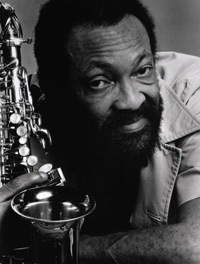
Sassofonisti · 1934–2009
Hank Crawford
Sassofonista, arrangiatore e compositore statunitense (1934-2009)
- Nascita
- 21 dicembre 1934
Memphis - Morte
- 29 gennaio 2009
Memphis - Paese
- Stati Uniti
- Attività
- 1958–
- Etichette
- Columbia Records, Atlantic Records, Milestone Records
- Discografia
- 28 album
Biografia
Hank Crawford è stato un musicista jazz (sassofono e sassofono contralto). Nato il 21 dicembre 1934 a Memphis, morto il 29 gennaio 2009 a Memphis. Lo stile è di solito associato a jazz e soul. Etichette: Columbia Records, Atlantic Records e Milestone Records. La discografia qui comprende 28 album, da «More Soul» (1961) a «Wildflower» (2016).
Bennie Ross Crawford Jr., detto Hank (Memphis, 21 dicembre 1934 – 29 gennaio 2009), è stato un sassofonista, arrangiatore e compositore statunitense di R&B, hard bop, jazz-funk e soul jazz. È stato direttore musicale per Ray Charles prima di intraprendere la carriera solista, durante la quale ha realizzato numerosi albums per Atlantic Records, CTI e Milestone.
Leggi la voce completa su Wikipedia ↗ · Da Wikipedia, l'enciclopedia libera (CC BY-SA 4.0)
Discografia
Album in studio e dal vivo
Suona anche in
Album in cui Hank Crawford compare come sideman
| 1959 | What’d I Say — Ray Charles |
| 1961 | The Genius Sings the Blues — Ray Charles |
| 1962 | Fathead Comes On — Dave Newman |
| 1963 | Ingredients in a Recipe for Soul — Ray Charles |
| 1971 | From a Whisper to a Scream — Esther Phillips |
| 1971 | Breakout — Johnny “Hammond” Smith |
| 1980 | Shades of Blue — Lou Rawls |
| 1982 | Still Hard Times — David “Fathead” Newman |
| 1989 | Journeyman — Eric Clapton |
| 1989 | Fire! — David “Fathead” Newman |
| 1990 | Bossa International — Richie Cole / Hank Crawford Quintet |
| 1993 | Body & Soul — Grady Tate |
| 1994 | Right Turn on Blue — Jimmy McGriff & Hank Crawford Quartet |
| 1996 | Blues Groove — Jimmy McGriff & Hank Crawford Quartet |
| 2000 | Never Never Land — Jane Monheit |
| 2002 | Never Never Land — Jane Monheit |
| 2017 | Nice Jazz 1978 — Guy Lafitte |
Domande frequenti
Che strumento suonava Hank Crawford?
Hank Crawford è noto per sassofono e sassofono contralto.
Quando e dove è nato Hank Crawford?
Hank Crawford è nato 21 dicembre 1934 a Memphis.
Quali sono gli album più noti di Hank Crawford?
Nel nostro archivio ci sono, tra gli altri, More Soul (1961), From the Heart (1962), Soul Clinic (1962), Soul of the Ballad (1963) e True Blue (1964).
Collegamenti esterni
- en.wikipedia.org ↗
- de.wikipedia.org ↗
- it.wikipedia.org ↗
- wikidata.org ↗
- musicbrainz.org ↗
- discogs.com ↗
- allmusic.com ↗
Dati raccolti da fonti aperte; vedi i riferimenti qui sotto. Hai trovato un errore? Scrivici.